Rest is an integral part of training, yet we often — wrongly — forget it. How do you plan it so it does not hinder your progress, and how do you avoid overtraining?
Planning: a must
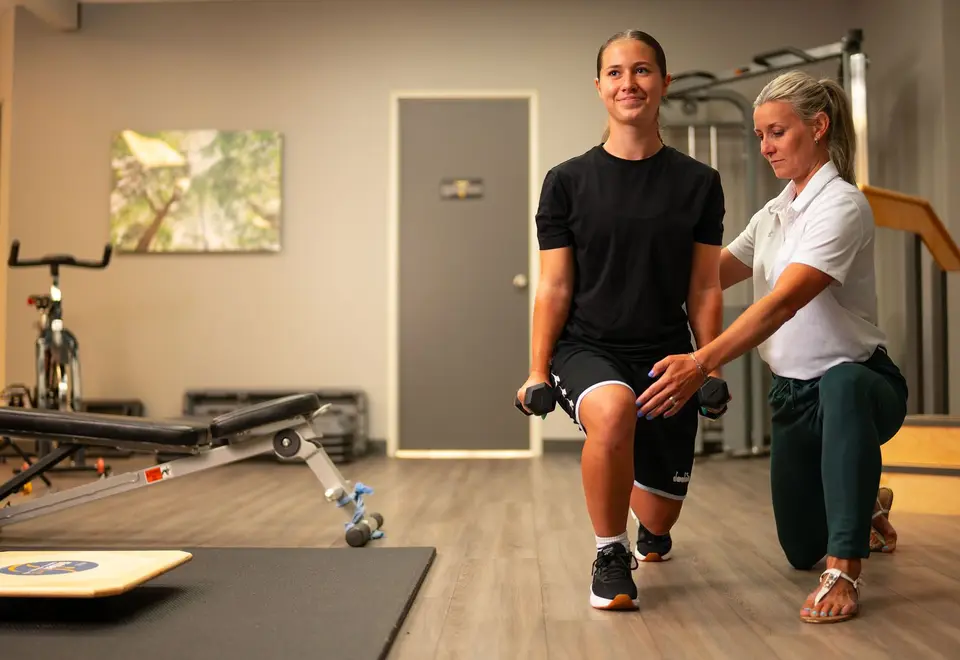
Setting up a training program is much more than writing down a series of exercises. Your kinesiologist — your training professional — can build a plan spread over several months according to your goals. Training cycles are then scheduled around your peak event season and your off-season.
Will I lose my gains while resting?
Quite the opposite! Rest is a period that actually helps consolidate gains. Working on other aspects of training, such as mental preparation, is an excellent idea. Visualization is training too!
Why take a rest?
Rest serves several purposes: transitioning between exercise programs and training cycles, preparing for a lead-up or major event, or avoiding overtraining.
The 3 signs that you need rest
- You notice that your resting and exercise heart rates have been rising lately without any change in the intensity of your workouts.
- The quality of your training is slipping — your technique is no longer as sharp because of physical and mental fatigue.
- You find that your performance is declining even though you work hard in training.