




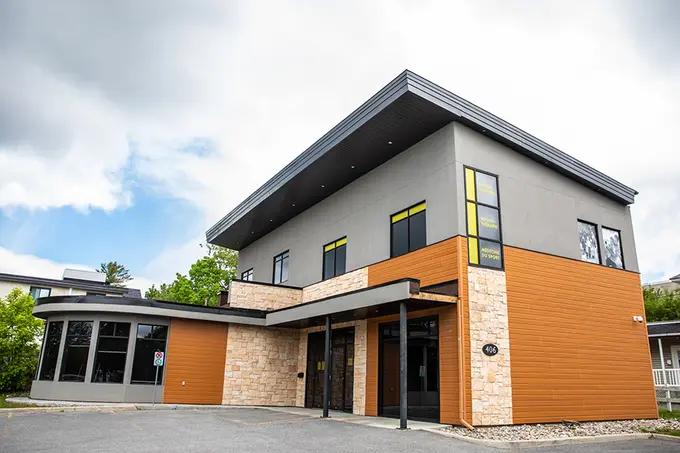




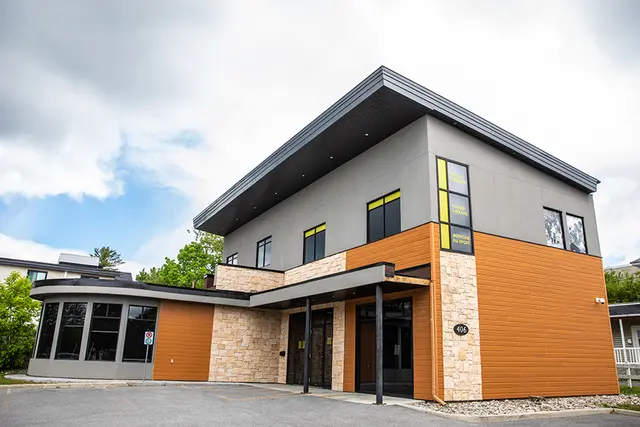
Address
406, boul. Alexandre-Taché, Gatineau, QC J9A 1M5
Contact
819-775-9515
Monday to Friday : View schedule


Specialized approaches
Knee kinesiography is a medical practice that allows health professionals to analyze the movement of the knee in action. Unlike X-rays and magnetic resonance imaging (MRI), knee kinesiography assesses the joint while it moves. This allows the health specialist to understand how the knee functions and what is causing the pain. Whether after a knee injury or with osteoarthritis, knee kinesiography is a diagnostic tool that leads to a treatment plan allowing the patient to regain a full quality of life.
Laurent Duvernay-Tardif is a guard with the Kansas City Chiefs (NFL) and a medical graduate of McGill University. In 2017, during a football game, a player from the opposing team crashed into his knees and seriously injured him. After his surgery, rehabilitation was a necessary step for his return to play. A few months later, Laurent Duvernay-Tardif felt persistent pain in his knee. He turned to knee kinesiography. A few weeks after his assessment, he was back in the game without any pain. With the knee kinesiography results, he added a few exercises to his daily routine that allowed him to regain his full capacity on the field.
Bruni Surin is an Olympic sprint champion. In his fifties, he began to feel some pain in his knees. The diagnosis came in: he had osteoarthritis. His doctor then asked him to stop activities that put impact on his knees, such as running. Rather dramatic for an Olympic runner! He tried knee kinesiography, which gave him an analysis of how his knee moves. A team of specialists was then able to design a training program that reduced his pain and allowed him to stay in shape. From pain rated 10 out of 10, he no longer feels any pain.
Map
The map is provided by Google Maps. To display it, accept the cookies in the “Preferences” category.
Address
406, boul. Alexandre-Taché, Gatineau, QC J9A 1M5
Contact
819-775-9515
Monday to Friday : View schedule