











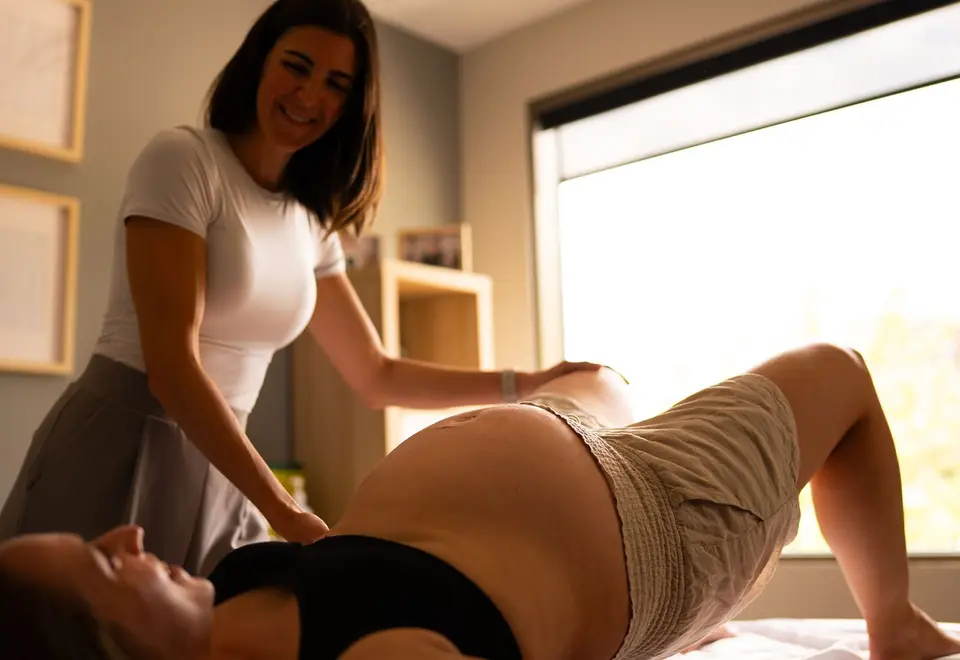
Physiotherapy and childbirth: why?
Pregnancy and childbirth often mean pain, discomfort and, above all, many questions for expectant and new mothers.


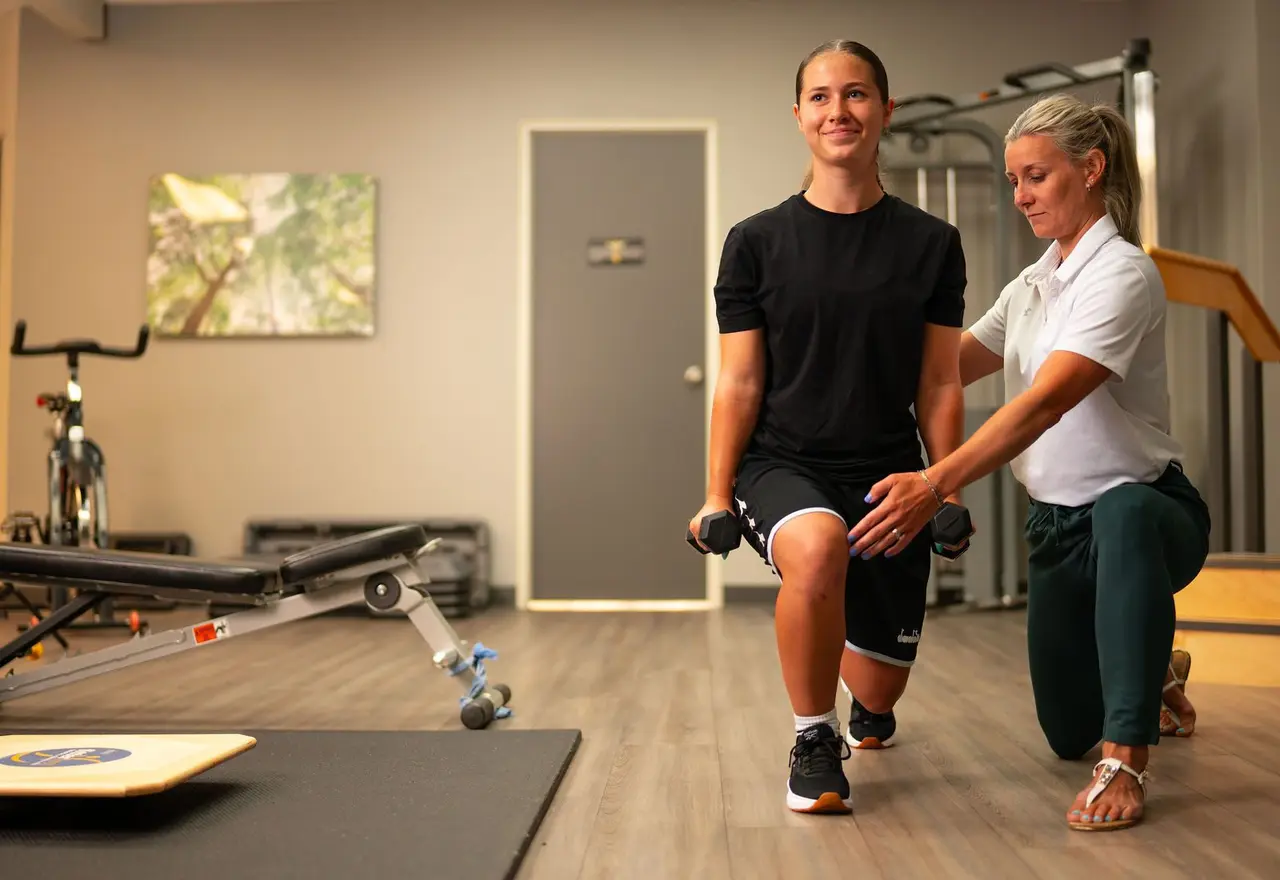
Whether you are a new weekend runner or a high-level athlete, there are strategies to avoid injuries. Taking up a sport we have never practised takes preparation, and it must be done properly. Starting a new sport with several inadequate parameters can bring its share of injuries and quickly put an end to your new passion.
Whether you are a new weekend runner or a high-level athlete, there are strategies to avoid injuries. Taking up a sport we have never practised takes preparation, and it must be done properly. Starting a new sport with several inadequate parameters can bring its share of injuries and quickly put an end to your new passion.
Choose ballistic (dynamic) stretches rather than static (held) ones before starting your activity, for at least 5 minutes. Set the classic static stretches aside and make large-amplitude movements instead: swing your hips back and forth, or make big circles with your arms, for example.
Also worth reading
Physiotherapy and childbirth: why?
Pregnancy and childbirth often mean pain, discomfort and, above all, many questions for expectant and new mothers.
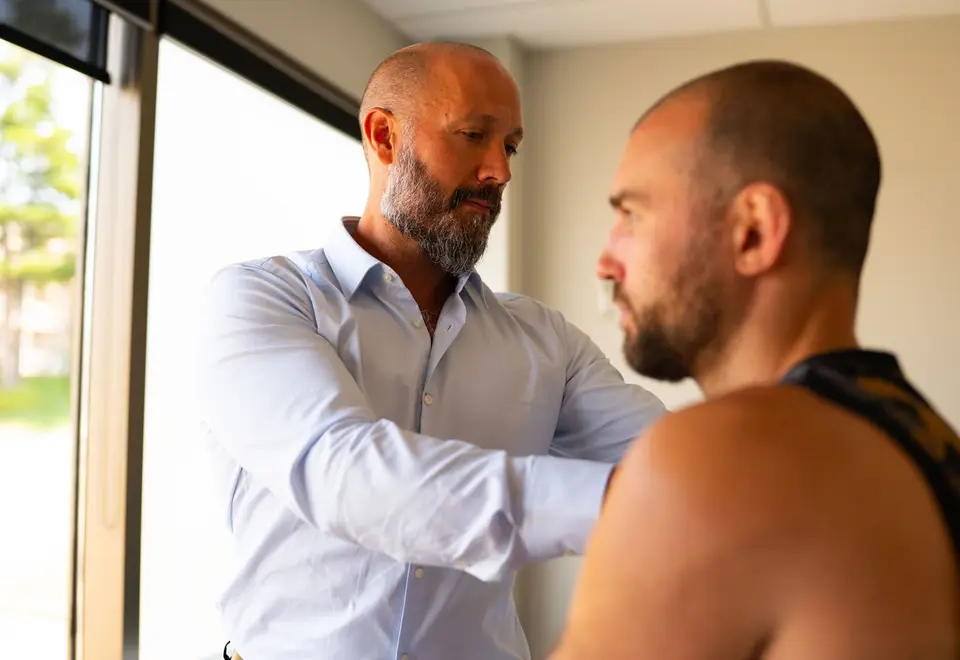
Doctor unavailable — what now?
Your family doctor cannot see you quickly? The urgent-care and walk-in clinics are full? You have no family doctor and do not want to wait for hours at the emergency room? There is a wait everywhere, but your pain cannot wait any longer?! Don’t panic! You can consult a physiotherapist to guide you.

After surgery: how to recover well?
The surgeon and the nurse have given you their instructions and the green light to begin physiotherapy — great! Call your physiotherapist as soon as possible to start your rehabilitation program.